
Skip to content
ngokelly.com
A neoclassical mansion facade at dusk with lit windows behind a row of columns

Historic houses & estates

Where Old Houses Tell Their Stories

Architectural history, patient restoration and the people who keep remarkable homes alive — written for owners, enthusiasts and conservation professionals.

The archive at a glance

What We Cover

5
centuries of domestic architecture, from Tudor halls to interwar villas
12
architectural styles traced through their houses and their builders
6
stages of a careful restoration, from survey to long-term care
0
property listings — this is a journal, not a marketplace

From the Journal

Latest Stories

View all stories

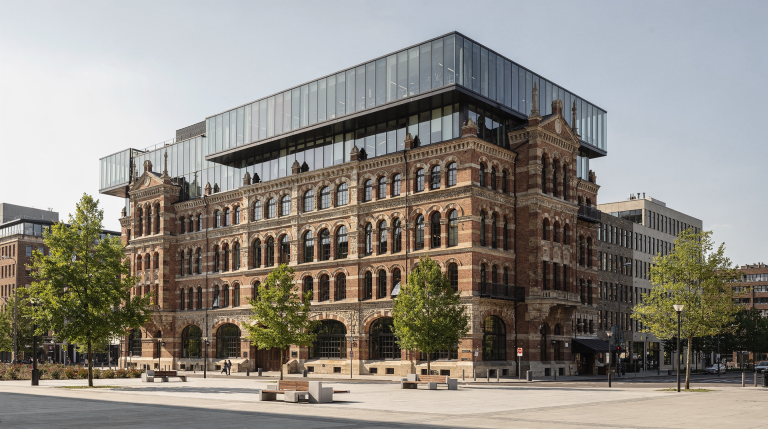
Adaptive Reuse of Historic Buildings: A Practical Preservation Guide

Adaptive reuse gives historic buildings a second life without erasing what makes them worth keeping. Done well, it protects heritage, supports sustainability, and creates spaces that are useful today while still respecting the building’s original character. I’ve walked through enough failed conversions to know the difference between a project that honours a building and one […]
Read more about Adaptive Reuse of Historic Buildings: A Practical Preservation Guide

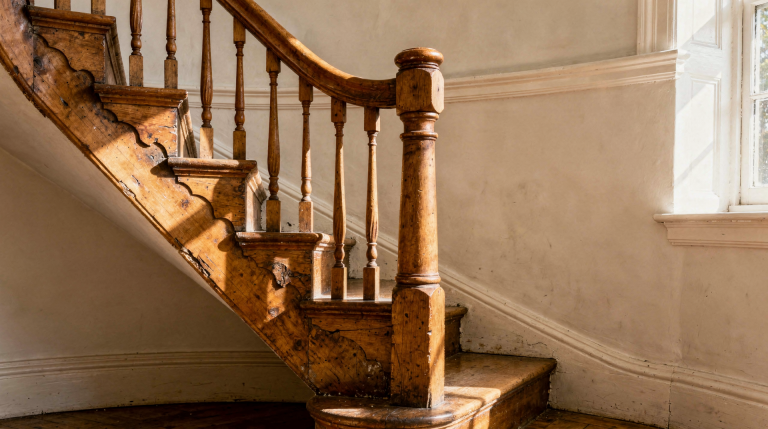
How to Restore a Historic Staircase Without Losing Its Character

A historic staircase does far more than move people between floors. It often carries the visual weight of the whole interior, with original timber, hand-shaped details, and proportions that tell you how the house was built. The key to a good restoration is simple: keep as much original fabric as possible, repair before replacing, and […]

Read more about How to Restore a Historic Staircase Without Losing Its Character

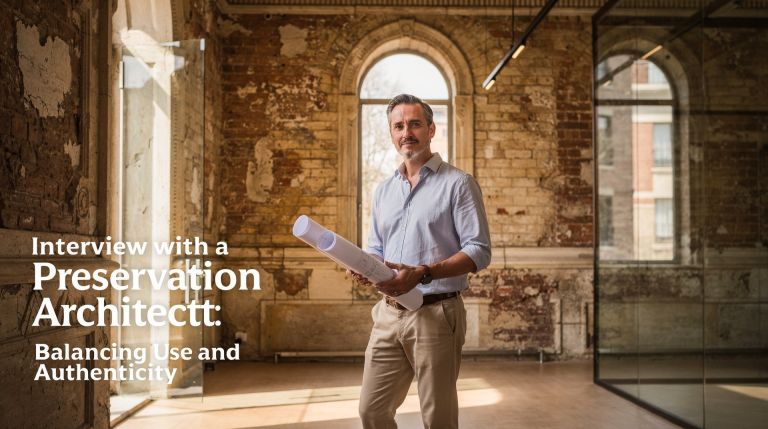
Interview with a Preservation Architect: Balancing Use and Authenticity

Historic buildings survive when they are still useful. The hardest part of that equation is not technical skill alone, but judgment: knowing what can change, what must stay, and how to make a building work for modern life without stripping away the very qualities that give it value.

In preservation architecture, that balance sits at […]

Read more about Interview with a Preservation Architect: Balancing Use and Authenticity

Restoration, step by step

The Life of a Restoration

  1. Stage I · Research

    Reading the house

    Deeds, old photographs, maps and the building itself are studied side by side. Paint layers, tool marks and blocked openings reveal how the house changed over time.

  2. Stage II · Survey

    Measured drawings and condition

    Every elevation is recorded and every defect mapped: damp, movement, decay and failed repairs. Nothing is removed before it has been understood and documented.

  3. Stage III · Planning

    A conservation plan

    The plan sets out what is significant, what must be kept and where change is acceptable. It becomes the reference point for every later decision.

  4. Stage IV · Repair

    Stabilise first

    Roofs, gutters and structure come before finishes. Repairs use compatible materials — lime with lime, oak with oak — so the old fabric can keep breathing.

  5. Stage V · Renewal

    Sympathetic craftsmanship

    Joinery, plasterwork and ironwork are repaired by hand where possible and replicated only where they are lost, matching profiles taken from surviving pieces.

  6. Stage VI · Stewardship

    Care for the next century

    A maintenance calendar and a written record of the work are handed on with the house, so the next owner starts with knowledge rather than guesswork.