How to Evaluate a Historic Estate Before Buying
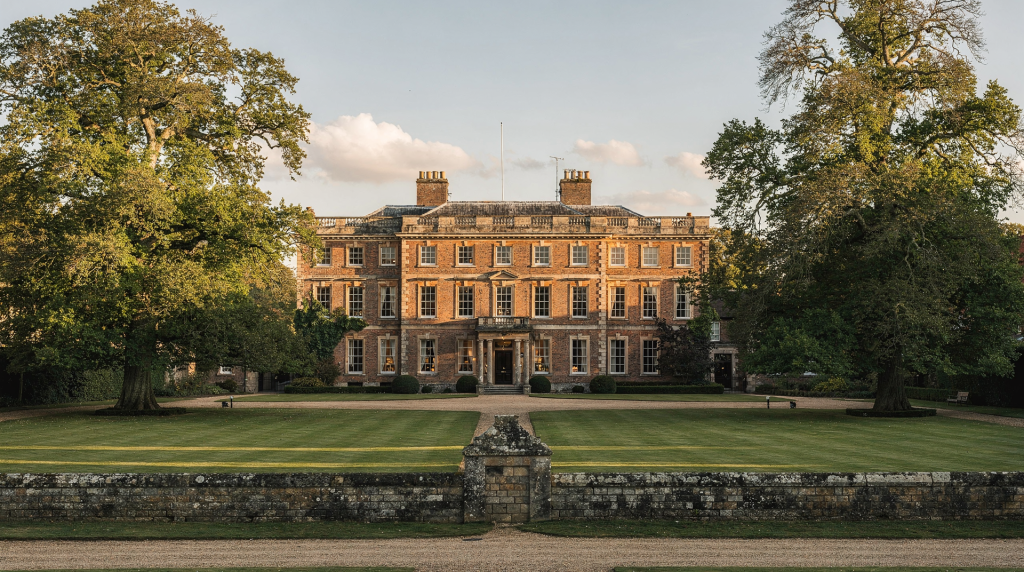
Buying a historic estate is not the same as buying a modern country house. The architecture, setting, legal status, and maintenance history all affect the real cost and the long-term viability of the purchase. A careful evaluation should tell you not only whether the estate is beautiful, but whether it is manageable, legally clear, and financially sustainable.
Why historic estates need a different kind of due diligence
A historic estate often combines multiple risks in one purchase: age-related fabric issues, previous alterations, planning restrictions, outbuildings with unclear use, and ongoing conservation obligations. In the UK, listed status can restrict both external and internal changes, and future works may require listed building consent rather than ordinary planning permission.
I’ve seen too many buyers walk through a Georgian front door, fall in love with the proportions and the light, and only later discover they cannot touch the sash windows, the staircase, or even the colour of the front door without formal consent. That moment of realisation can be expensive. The key question is not simply “Can I buy it?” but “Can I own, use, repair, and adapt it without creating a legal or financial trap?”
Start with the estate as a whole, not just the house
When people evaluate a historic estate, they often focus on the main house and overlook everything that makes the property function:
- boundary walls
- gates and entrance lodge
- stables, barns, garages, and stores
- drainage runs and private water systems
- drives, bridges, ponds, woodland, and farm tracks
- scheduled or protected landscape features
Those elements can carry their own repair burden, planning issues, or heritage significance. I once surveyed an estate where the house was structurally sound, but the boundary walls—over three hundred metres of eighteenth-century brick—were crumbling and the entrance lodge had dry rot. The buyer had budgeted for redecoration, not for a six-figure masonry and timber repair programme. A “good house” on a compromised estate can become expensive very quickly.
Step 1: Identify the legal and heritage status
Before you think about style or decor, confirm exactly what the property is legally. This is not paperwork for its own sake—it defines what you can and cannot do, sometimes down to the type of mortar you use.
Check the listing entry
Read the official listing description carefully so you understand the grade and what is specifically protected. Grade I, Grade II*, and Grade II listings reflect different levels of significance, and the listed description may identify features that matter most to the building’s historic character. Pay attention to the wording: if a staircase, fireplace, or panelled room is specifically mentioned, you will have a much harder time altering it than something not singled out in the entry.
Check whether the property sits in a conservation area
If it does, additional controls may apply, including Article 4 Directions that remove some permitted development rights. I have seen cases where even replacing a front door or changing window frames required consent because of an Article 4 Direction—something the buyer only discovered after exchange.
Ask whether any parts are separately protected
Historic estates may include multiple structures with different statuses, and each one can affect what you may do later. A stable block might be listed in its own right, or a garden wall might be scheduled. Treat each element as a separate legal question.
Quick legal checks
- Is the main house listed?
- Are any outbuildings listed separately?
- Is the site in a conservation area?
- Are Article 4 Directions in force?
- Are there covenants, easements, or access rights affecting the land?
- Are there title restrictions recorded at Land Registry?
Step 2: Read the title and planning history before you fall in love
A historic estate can look complete while carrying unresolved legal problems underneath. I have learned to treat the paperwork as part of the viewing—just as important as walking the rooms.
What to ask for
- official title documents
- historic conveyancing or deed references
- planning history
- listed building consent history
- records of past alterations
- guarantees, warranties, or completion paperwork for major works
Buyers should verify that previous changes were properly approved where required, because unauthorised works can create enforcement and reinstatement risk for the next owner. Local authorities can pursue enforcement against the current owner even if the work was done by someone else decades ago.
Common red flags
- a rear extension with no consent record
- removed walls or altered staircases without paperwork
- replacement windows inconsistent with the listing
- outbuildings converted without approvals
- unclear rights of way across the estate
- boundary descriptions that do not match physical occupation
If the paperwork does not match the building, assume the gap will become your problem later. I have seen a sale nearly collapse because a beautiful kitchen extension, added fifteen years earlier, had no listed building consent—and the local authority was not inclined to grant retrospective approval.
Step 3: Order the right survey
A standard mortgage-style survey is rarely enough for an older estate. Historic England notes that a survey helps identify the construction, condition, defects, priority repairs, and likely costs, and that for older buildings RICS recommends a Level 3 survey.
What the survey should cover
- roof covering, chimneys, flashings, and rainwater goods
- wall condition, pointing, render, and cracking
- timber decay and infestation
- windows and doors
- floors, ceilings, and structural movement
- damp sources and ventilation
- services that have been threaded through old fabric
- evidence of patching, movement, or hidden repairs
Why specialist experience matters
A surveyor who understands heritage construction will read defects differently from a generalist. For example, not every crack means structural failure, and not every damp stain means rising damp. Older buildings behave differently because they were built with breathable materials and designed to move slightly. I recall a surveyor who flagged “extensive damp” in a solid-walled Victorian house; a heritage specialist later confirmed it was simply condensation from modern impermeable paint trapping moisture in the lime plaster. The fix was ventilation and breathable finishes, not an injected damp-proof course that would have damaged the fabric.
Step 4: Separate “old age” from genuine defects
One of the most expensive mistakes is treating every characteristic of an old estate as a problem, or treating every issue as “normal for its age.” The distinction matters because it determines where you spend money and where you leave well alone.
| Feature | Often normal in historic buildings | Potential concern |
|---|---|---|
| Uneven floors | Common in settled old structures | Sudden movement or worsening slope |
| Breathable walls | Solid walls need to manage moisture differently | Cement render trapping moisture |
| Hairline cracking | Can be historic or cosmetic | Fresh stepped cracking or widening cracks |
| Original windows | Valuable heritage feature | Rotten timber, failed paint systems, poor fit |
| Patina on stone or brick | Part of age and character | Spalling, erosion, or structural decay |
The point is not to modernise everything. The point is to understand what is stable, what is deteriorating, and what will cost to maintain properly. A gently sloping floor that has not moved in a century is character; a floor that has dropped noticeably in the last five years is a structural investigation waiting to happen.
Step 5: Inspect the fabric in the right order
Use a systematic walk-through so you do not miss the expensive stuff. I always work from the outside in, then from the top down—it mirrors how weather and gravity affect a building.
Exterior first
- roof shape, coverings, valleys, ridge lines
- chimneys and stack stability
- gutters, downpipes, soakaways, and drainage falls
- masonry condition, mortar type, and previous repointing
- render, timber framing, or cladding condition
- windows, sills, lintels, and doors
- evidence of structural movement or patching
Then the interior
- ceilings and upper-floor movement
- plaster condition and historic finishes
- signs of moisture at chimney breasts, skirtings, and corners
- evidence of rewiring, plumbing changes, or hidden alterations
- service routes that may have cut through original fabric
- room proportions and surviving original joinery
Finally the site
- tree roots near foundations or drains
- standing water after rain
- slope, retaining walls, and landslip risk
- access for contractors and deliveries
- outbuildings that may need separate works
I always recommend viewing after heavy rain if possible. Standing water, blocked gullies, and saturated ground tell you more about drainage in an hour than a dry-weather survey can reveal in a day.
Step 6: Understand what the building will actually cost to run
Historic estates are often under-budgeted because buyers estimate repairs but ignore maintenance. The purchase price may reflect visible repair needs, but it rarely covers the full long-term burden of ownership.
Build a realistic cost picture
- roof maintenance and scaffolding access
- specialist joinery repair
- lime work and repointing
- window conservation
- boiler replacement or heating upgrades
- drainage maintenance
- tree management
- insurance for listed or non-standard construction
- grounds upkeep and security
Budget rule of thumb
Set aside money for:
- immediate repairs
- compliance work
- annual maintenance
- a contingency for hidden defects
If you cannot comfortably absorb major roof or drainage work, the estate may be too risky at that price. I have seen owners stretch to buy the property and then have nothing left when the lead valleys need replacing or the boiler fails in January. A historic estate demands financial headroom.
Step 7: Talk to the local conservation officer early
This is one of the most useful conversations a buyer can have, and it costs nothing. Yet many buyers avoid it, fearing they will invite scrutiny. In practice, conservation officers appreciate early engagement and can save you from pursuing changes that will never get consent.
A conservation officer can help you understand:
- what is likely to be considered significant
- which past alterations may be sensitive
- whether your intended changes are realistic
- where the local authority tends to be strict or flexible
Do this before you assume you can add extensions, replace windows, or reconfigure interiors. Listed building consent is separate from planning permission, and both may be needed depending on the work. I once advised a client who wanted to open up a ground-floor layout; the conservation officer made clear that the original room plan was part of the listing significance, and the proposal was refused. Better to know that before exchange than after.
Step 8: Ask the right questions before exchange
Practical buyer questions
- What repairs are urgent in the first 12 months?
- Are any defects structural or cosmetic?
- Which works would need listed building consent?
- What previous alterations lack paperwork?
- Is the heating system adequate for the size and fabric of the building?
- Are there access issues for maintenance or emergency works?
- Are there rights, covenants, or restrictions on land use?
- What is included in the sale: land, fixtures, outbuildings, garden structures?
Questions for your solicitor
- Does the title match the physical boundaries?
- Are there restrictions on use, access, or alterations?
- Are there any notices, disputes, or unresolved planning matters?
- Are all previous major works supported by approvals?
- Are any easements or rights of way missing from the title?
A simple due-diligence checklist
Before making an offer
- Read the listing description
- Check title status and boundaries
- Review planning history
- Confirm conservation area status
- Identify all outbuildings and land parcels
- Ask about previous works and approvals
Before exchange
- Commission a Level 3 or heritage-focused survey
- Review survey findings with the surveyor
- Ask the solicitor to verify consent history
- Estimate repair and maintenance costs
- Confirm insurance availability and cost
- Speak to the conservation officer if major changes are planned
Before completion
- Confirm what fixtures and fittings remain
- Check access arrangements and rights of way
- Review meter locations, drainage, and service routes
- Make a first-year maintenance plan
Common mistakes buyers make
- falling in love with the house and ignoring the estate land
- assuming “old” means “original” or “authentic”
- treating listing as a cosmetic issue rather than a legal one
- commissioning the wrong survey
- overlooking previous unconsented work
- underestimating roof, drainage, and joinery costs
- ignoring how hard the property will be to heat, insure, and maintain
I would add one more: assuming that because a property has stood for three hundred years, it will continue to do so without intervention. Old buildings survive because someone maintained them. The moment that stops, decay accelerates.
When to walk away
A historic estate is not a bargain if the problems are bigger than your budget, skills, or patience. Some of the wisest buyers I know are the ones who walked away from a beautiful house because the numbers or the legal picture did not add up.
Walk away if:
- major unapproved alterations cannot be resolved
- the survey suggests ongoing movement or serious decay
- access, rights, or title issues are unclear
- essential repair costs exceed your reserve
- the property depends on future permissions you cannot realistically obtain
Conclusion
Evaluating a historic estate before buying is about balancing romance with evidence. The best purchase is not always the grandest or the most atmospheric; it is the one whose history, condition, legal status, and repair needs you fully understand before you commit. If you verify the title, study the listing, commission the right survey, and speak to the right specialists early, you will know whether the estate is a rewarding stewardship project or an expensive mistake.
FAQ
Do I need a special survey for a historic estate?
Yes. A Level 3 survey or a heritage-focused survey is usually the right starting point for an older building. A standard valuation or Homebuyer Report will not give you the depth of analysis that solid-walled, traditionally constructed buildings require.
Can I change a listed building after purchase?
Yes, but many changes need listed building consent, and some also need planning permission. The key is understanding which elements are significant and working with the conservation officer rather than against them.
Is a historic estate always expensive to maintain?
Not always, but maintenance is usually more complex and more expensive than for a modern property because traditional materials and specialist trades are often required. The costs come in peaks—a roof repair one decade, window conservation the next—rather than as a steady monthly figure.
What is the biggest risk when buying a historic estate?
Unclear legal status combined with hidden fabric problems. If you do not know what is protected and what is failing, costs can escalate quickly. The two risks compound each other: a structural issue in a listed element is far more expensive to resolve than the same issue in an unlisted building.
Should I speak to the conservation officer before I buy?
Yes. Early advice can save time, prevent unrealistic assumptions, and clarify what changes are likely to be acceptable. A twenty-minute conversation before exchange can prevent months of frustration and wasted fees afterwards.