What Happens When a Historic House Is Left Unoccupied?
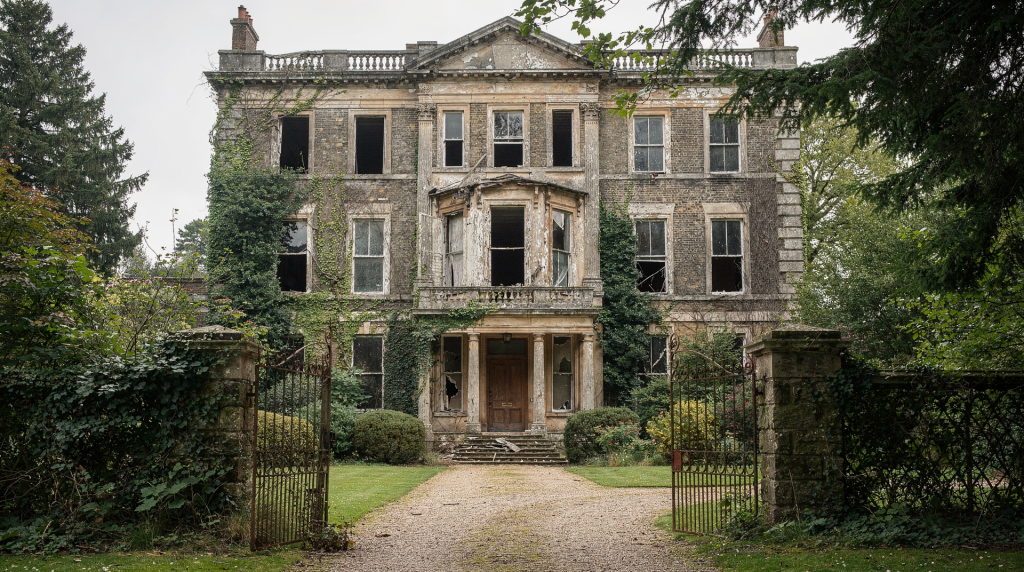
A historic house does not simply “sit still” when it becomes empty. Vacancy changes how the building breathes, how water moves through it, how fast defects spread, and how attractive it becomes to fire, theft, vandalism, and illegal entry. The biggest danger is not one dramatic event; it is the steady accumulation of small failures that turn into structural and heritage loss.
Why vacancy is so risky for historic houses
An occupied house benefits from constant, informal maintenance — someone notices a slipped tile after a storm, catches a damp patch spreading behind a wardrobe, spots a blocked gutter before the next heavy rain, or feels a broken latch and fixes it that weekend. When a historic house is unoccupied, that daily attention disappears entirely. A minor defect that would have been caught in days can now run unchecked for months, and the gap between “small problem” and “expensive repair” closes fast.
Historic buildings are especially vulnerable because they rely on traditional materials and assemblies that respond badly to water, neglect, and prolonged inactivity. Lime mortars, softwood timbers, hand-made bricks, and early plasters were never designed to sit in a sealed, unheated box. They need movement, gentle warmth, and regular air exchange to stay stable. Once leaks, temperature swings, and poor ventilation go unchecked, timber decay accelerates, masonry joints begin to fail, plaster loses its bond, and iron fixings corrode from the inside out. I’ve walked through empty Georgian houses where the only sound was water dripping three floors down from a failed valley gutter — a problem that would have been caught in a day if someone had simply been living there.
What actually happens inside an empty historic house
1. Water becomes the main enemy
Most vacant-house damage starts with water ingress, and the scale of it can be deceptive. A loose flashing lifted by wind, a cracked slate no one replaces, a leaking pipe joint behind a lath-and-plaster wall, or an overflowing gutter pouring water against a parapet — each seems minor in isolation. But in an empty property, there is no one to notice the first stain on a ceiling, no one to hear the drip, no one to shut off the supply. The water keeps coming, and it finds paths through the building that may not be obvious until joist ends are soft and ceilings are sagging.
Common water-related problems include:
- blocked gutters and downpipes causing overflow and saturation, particularly where cast iron has rusted through at the joints
- roof leaks spreading into voids and upper ceilings, often traveling horizontally along beams before appearing somewhere unexpected
- burst or leaking pipes going unnoticed for weeks or months, especially in unheated winters when freezing expands the damage
- damp basements and crawlspaces encouraging rot and mold growth in the very timbers that carry ground-floor structures
2. Ventilation drops and damp rises
Historic houses need a careful balance of ventilation and protection — something that was originally managed by open fires, sash windows, and breathable construction. In vacancy, that balance collapses. Rooms often become either sealed too tightly by well-meaning owners trying to keep out weather and intruders, or left exposed through broken panes and forced doors. Both situations are damaging: sealed spaces trap damp air that condenses on cold walls, while exposed openings let in rain, pests, and wind-driven moisture that saturates fabric.
Poor airflow encourages:
- condensation on cold surfaces, particularly on north-facing walls and behind furniture left in place
- mold growth on finishes and timbers, which can penetrate deep into porous materials
- musty odors that signal hidden damp — often the first clue before visible staining appears
- decay in joinery, suspended timber floors, and roof structures where still, humid air sits for months
3. Pests, plants, and debris take hold
Once regular occupation stops, organic growth and infestations become harder to control. Seeds settle in gutters, roof valleys, and the joints between chimney stacks and slates; moss and vegetation trap moisture against vulnerable fabric; birds and rodents find shelter in lofts and disused flues; and accumulated debris — leaves, twigs, nesting material — retains water against masonry and timber. I’ve seen a single season of neglect produce enough plant growth in a parapet gutter to block the outlet completely, sending water back into the roof structure.
Over time, this can lead to:
- root and stem damage to masonry or roof coverings, as vegetation forces apart joints and lifts flashings
- blocked drainage paths that redirect water into walls rather than away from them
- nesting in lofts and chimneys, which blocks ventilation and creates fire risks
- chewed wiring and insulation damage from rodents, sometimes exposing live conductors to damp timber
4. Security risks increase fast
Vacant historic buildings are more likely to attract trespassers, burglars, vandals, squatters, and opportunistic theft. The pattern is predictable: a property looks empty, someone tests a window or door, and once entry is gained, the building becomes known as accessible. Loose furniture, fittings, and even materials with resale value — fire surrounds, cast iron grates, lead flashing, copper pipes, original door furniture — can disappear quickly. Broken windows and forced entries then create new weatherproofing problems, accelerating the water damage already underway.
The risks are not only material. Historic buildings left empty are also more vulnerable to arson and accidental fire because problems may go unnoticed until the damage is advanced. A small fire started by squatters, faulty wiring, or even a lightning strike on an unmaintained chimney can become a major loss simply because no one raises the alarm until flames are visible from outside.
5. Small failures become structural failures
A historic house rarely collapses overnight. The process is slower and quieter. A slow leak weakens a joist end where it sits in a damp pocket of masonry, then the ceiling below begins to crack, then a floor edge loses its bearing. Or water enters a wall through a failed pointing joint, freezes in winter, expands, and opens a wider path for more water next season. Each cycle widens the damage incrementally, and because no one is there to see the early signs, the first visible evidence may already indicate serious structural movement.
Left long enough, vacancy can lead to:
- roof spread or localized failure, particularly where rot has weakened rafter feet or purlin ends
- collapsing ceilings as lath and plaster lose their key after prolonged damp exposure
- unsafe floors and staircases where joists or carriages have rotted at their bearings
- masonry movement and joint loss, especially in walls that rely on lime mortar’s flexibility
- partial structural instability that makes safe access for surveyors and contractors difficult and expensive
The main risks of leaving a historic house unoccupied
| Risk | What it causes | Why it matters in a historic house |
|---|---|---|
| Water ingress | Damp, rot, plaster failure, corrosion | Historic fabric is often more vulnerable and harder to replace — you cannot simply swap out a hand-carved cornice or a run of 18th-century floorboards |
| Fire | Major loss of structure and interiors | Fires in vacant buildings are often noticed late, and the loss can include irreplaceable plasterwork, joinery, and wall paintings |
| Theft and vandalism | Broken openings, missing fittings, damaged interiors | Loss can affect both fabric and heritage value — original fire surrounds and door furniture are particularly targeted |
| Pests and plants | Blocked drains, decay, contamination | Organic growth speeds up deterioration and can disguise underlying structural problems |
| Poor ventilation | Condensation and mold | Traditional buildings need balanced airflow; sealing them up can cause more damage than leaving a window slightly open |
| Neglect over time | Structural and cosmetic decline | Damage becomes more expensive and invasive to repair, and original fabric may already be beyond saving by the time work begins |
What owners should do if a historic house must be left empty
The best protection is continued occupation, even temporary or partial use — a caretaker in a wing, a tenant on a short-term arrangement, or even regular daytime use by a local group. But that is not always possible, and I have worked with many owners who inherited a property they could not immediately occupy or sell. If a historic house must stand vacant, the goal is active management rather than passive waiting. Vacancy should be treated as a condition to be managed, not a pause button.
Step 1: Inspect the building properly before vacancy
Before the house is left empty, carry out a full condition check — ideally with a surveyor or conservation-accredited professional who understands traditional construction. Focus on:
- roof coverings, flashing, valleys, and chimneys — look for slipped slates, cracked leadwork, open mortar joints on stacks
- gutters, downpipes, gullies, and drainage routes — test them with water if possible; a blocked drain may not be obvious in dry weather
- windows, doors, and any weak points in security — check sash cords, casement stays, and ground-floor access points
- basement, cellar, and crawlspace moisture — use a moisture meter on timber and masonry; look for tide marks on walls
- plumbing, heating, gas, and electrical systems — identify isolation points and any aging components that could fail
- signs of rot, cracking, sagging, or movement — photograph everything, with a scale reference, and date the images
Step 2: Remove avoidable sources of damage
Practical shutdown measures usually include:
- draining pipework and cisterns where appropriate, particularly in unheated buildings where freezing is a risk
- terminating gas and electrical services safely where needed — consult qualified contractors; do not simply pull the main fuse
- removing valuable loose contents and sensitive interiors — textiles, papers, furniture, and anything portable that would attract thieves
- clearing gutters and drains before vacancy begins, and ideally fitting gutter guards or leaf protection where appropriate
Step 3: Secure the envelope without sealing it badly
A vacant building needs protection from intrusion and weather, but it also needs some ability to breathe. This is where I see the most common mistakes — owners board up windows tightly with plywood and seal every gap, then return six months later to find mold blooming across every wall. The approach should be:
- boarding or protecting vulnerable openings in a controlled way, using ventilated covers or leaving small gaps for air movement
- keeping roofs and windows weather-tight — repair broken panes and slipped slates before vacancy, not after
- allowing reasonable ventilation where appropriate — trickle vents, air bricks, or slightly open windows on upper floors can make a significant difference
- avoiding quick fixes that trap moisture inside the building — plastic sheeting over damp walls, for example, will accelerate decay behind it
Step 4: Set up a maintenance schedule
Vacancy only works if someone keeps watching. Regular visits — ideally weekly or fortnightly, and certainly after severe weather — should check:
- new leaks or staining on ceilings, walls, and around chimney breasts
- blocked gutters and drains, especially in autumn and after storms
- signs of forced entry or attempted access
- pest activity — droppings, nesting material, chewed timber or cables
- cracks, bulges, or sagging that may have progressed since the last visit
- damp smells, standing water, or debris buildup that suggests water is not draining away
Step 5: Keep insurance and documentation in order
Vacant buildings often need different insurance terms from occupied ones — standard policies may exclude cover after 30 or 60 days of emptiness. Owners should maintain liability cover, document all inspection visits with dated notes and photographs, and keep a running record of defects, repairs, contractor reports, and correspondence. This documentation is not just for insurance; it becomes an invaluable record of the building’s condition over time and can inform future conservation decisions.
A practical monthly checklist for a vacant historic house
- Walk the perimeter and look for broken access points, loose boards, or signs of attempted entry
- Check rooflines, chimneys, and gutters after bad weather — use binoculars if access is difficult
- Inspect for fresh damp patches inside, particularly on upper ceilings and around windows
- Confirm drains, gullies, and downpipes are clear and water is flowing away from the building
- Look for signs of trespass, theft, or vandalism — photograph anything suspicious before disturbing it
- Confirm ventilation openings are still protected and not blocked by debris or nesting
- Check for pests, bird entry, or plant growth — remove vegetation from gutters and joints
- Note any movement in walls, floors, or ceilings — compare with previous photographs
- Update photographs and maintenance logs, even if nothing has changed
Common mistakes owners make
“It’s empty, so nothing can really happen”
Vacancy often accelerates damage, especially where water, fire, and intrusion go unnoticed. An empty house is not in stasis — it is actively deteriorating, just without anyone watching. I have seen a single winter of vacancy cause more damage than a decade of gentle occupation.
“We sealed it up, so it is safe”
Over-sealing can trap damp inside a historic structure and make decay worse. Traditional buildings need to breathe; sealing them like a modern container creates a humid, stagnant environment that rot and mold thrive in. The key is controlled ventilation, not hermetic closure.
“We’ll deal with repairs when someone wants to use it again”
By then, the repair bill is usually higher, and original fabric may already be lost. Deferred maintenance in a historic house is not neutral — it is a compounding debt. A £500 roof repair delayed for two years can become a £15,000 structural intervention once rot has spread through the roof structure.
“A quick patch is enough”
Temporary measures are useful only if they are part of a planned maintenance strategy with regular monitoring. Otherwise, they can fail quietly — a tarp over a roof leak may blow off in the next storm, and no one will know until water is running down the inside of the walls. Temporary fixes need temporary oversight.
When vacancy becomes a preservation emergency
A historic house needs urgent attention if you notice:
- repeated water ingress that suggests a failure in the roof covering or drainage system
- sagging roofs or floors that indicate structural timber decay
- persistent mold or rot that is spreading despite ventilation measures
- broken security barriers that leave the building open to weather and intruders
- signs of arson, squatting, or repeated trespass — these escalate quickly once a building is known to be accessible
- masonry instability or falling materials that pose a safety risk to adjacent properties or the public
- a smell of gas, electrical faults, or exposed services that could lead to fire or explosion
At that stage, the priority is not cosmetic repair. It is stabilization — propping floors, securing the roof, shoring walls — securing the building against further loss, and bringing in professionals who understand historic structures. The goal is to stop the deterioration before it becomes irreversible.
The bigger heritage consequence
When a historic house is left unoccupied for too long, the damage is not only physical. The house can lose original finishes, craftsmanship, historic evidence, and the layered traces that make it meaningful — the worn stone step that records centuries of footfall, the original paint scheme preserved in a closet, the carpenter’s marks on a roof truss, the wallpaper fragment that dates a room’s decoration. These are not replaceable. You can rebuild a wall, but you cannot recreate the evidence it held. In other words, vacancy can erase history piece by piece long before the building finally looks “ruined.”
FAQ
How long can a historic house stay empty before damage starts?
Damage can begin quickly if there is an existing leak, security weakness, or poor drainage. In practice, the risk rises immediately once regular monitoring stops. A roof leak during a wet week can saturate a ceiling before anyone notices; a frozen pipe can burst overnight. The clock starts the moment the last person locks the door and stops checking.
Is it better to keep a historic house sealed or ventilated?
Neither extreme is ideal. Historic houses need controlled protection from weather and intrusion, plus enough ventilation to reduce trapped moisture. The right balance depends on the building’s construction, location, and climate, but as a rule, some air movement is essential. Think of it as managing airflow rather than choosing between open and closed.
What is the biggest threat to an unoccupied historic house?
Water is usually the most persistent threat — it works quietly and continuously, and the damage compounds over time. But fire and unauthorized entry can cause the most catastrophic loss in a single event. A building that survives decades of slow damp can be destroyed in hours by arson or a fire that starts in an unmonitored electrical system.
Should utilities be left on in a vacant house?
It depends on the property and risk plan, but aging systems should be reviewed carefully. In many cases, services are reduced, isolated, or drained to lower risk — particularly water and gas. Electrical systems may be kept on a minimal supply for security lighting or alarms, but only if they have been inspected and are in safe condition.
Can a vacant historic house be saved?
Yes, if the building is monitored, secured, and maintained actively. Vacancy is dangerous, but neglect is what turns vacancy into irreversible loss. I have seen empty houses brought back from alarming states of decay because someone committed to regular inspections, prompt repairs, and a realistic maintenance plan. The key is treating vacancy as a managed condition, not an absence of responsibility.
Conclusion
A historic house left unoccupied is not resting; it is exposed. Without routine care, water, fire, theft, pests, and damp can move faster than most owners expect, and each season of neglect makes the next repair more difficult and more invasive. The practical answer is simple: inspect early, secure intelligently, maintain regularly, and treat vacancy as a managed condition rather than a pause in the building’s life. The house will not wait for you to return — but with the right approach, it will still be there, sound and authentic, when you do.